
Tooth Extractions – San Antonio, TX
A Painless Way to Fix a Toothache

When you’re dealing with a really serious toothache, you’d probably do just about anything to get rid of it. It can be hard to speak, to sleep, to eat, and to go on with your day as normal when you’re dealing with constant pain. This is when tooth extractions, a painless way to fix a toothache, are most useful.
If you’re near San Antonio, the team here at HIC Dental-Implant & Family Dentistry can help you. Reach out to us for an appointment today and we’ll have you feeling better in no time at all.
Why Choose HIC Dental-Implant & Family Dentistry for Tooth Extractions?
- Dental Team Who Puts Patient Comfort Above All Else
- Convenient Hours that will Fit Your Schedule
- Sedation Available for Anxious Patients
Reasons Why Tooth Extractions Are Necessary
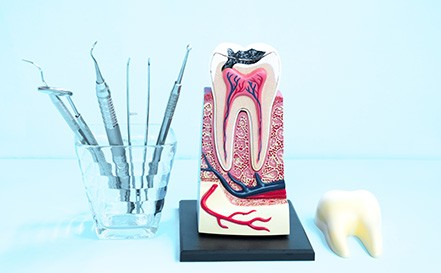
Tooth extractions are generally a last resort for dentists, generally only done in situations where a tooth is beyond saving by other means. There are plenty of reasons that this can happen—severe damage to the tooth and profound infections, for example. In these cases, the tooth is removed not only for the patient’s comfort, but to prevent damage from spreading elsewhere to the mouth.
In some situations, tooth extractions might also be recommended before orthodontic treatment in order to allow for easier alignment.
The Process of Removing a Tooth
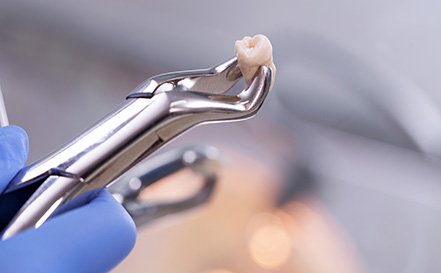
The first step in any tooth extraction will be to numb your mouth completely, ensuring your complete comfort throughout the duration of your time with us. Once we’re sure that the anesthetic has taken effect we’ll begin the process in earnest, using a tool called an elevator to gently lift the tooth out of its socket. At this point we’ll use forceps to gently wiggle the tooth out of place.
After that, the only thing you’ll have to worry about is aftercare and picking out the style of tooth replacement that best fits your circumstances.
Tooth Extraction Aftercare

Tooth extraction aftercare can sound intimidating, but as long as you take care of yourself, you should recover quickly. Here are a few things to keep in mind:
- Bite on gauze for 30-45 minutes to stop bleeding. Replace gauze as needed.
- Take prescribed painkillers or over-the-counter pain relievers as directed.
- Apply ice packs to reduce swelling.
- Stick to soft, cool foods like yogurt, applesauce, and mashed potatoes.
- Avoid hot, spicy, or hard foods.
- Rinse mouth gently with saltwater after 24 hours.
- Avoid brushing near the extraction site initially.
- Avoid strenuous activities for a few days.
- Drink plenty of water.
- Avoid using straws to prevent dry socket.
- Refrain from smoking and drinking alcohol for a few weeks prior to and after treatment.
If you have any questions about the tooth extraction process, don’t hesitate to make an appointment with us today!
Understanding the Cost of Tooth Extractions

If you’ve been prescribed a tooth extraction, it’s natural to be curious about the cost. After all, it doesn't make sense to commit to a treatment if you don’t know if you can afford it. Unfortunately, it can be difficult to provide an exact cost for this type of treatment without first seeing Dr. Patel for a consultation. That’s because there are several important factors to consider, which will vary depending on your individual dental needs. To learn more about the cost of tooth extractions, please keep reading.
Factors That Can Affect Tooth Extraction Cost

It is difficult to determine the exact cost of your tooth extraction until Dr. Patel has had the opportunity to assess the tooth or teeth in question. That’s because there are several important factors that can influence the total amount, including:
- The type and location of the tooth, and how many teeth need to be extracted.
- The overall difficulty of the tooth extraction, and whether a specialist will be needed to assist with the procedure. Simple extractions are very different from impacted extractions!
- What the next steps for replacing the tooth are, such as if you will need a dental implant or bridge to replace it.
Does Dental Insurance Cover Tooth Extractions?

The great news is that in many cases, dental insurance will cover around 50 percent of the cost of a tooth extraction after your deductible has been met. This includes wisdom teeth. However, be aware that there may be limits that cover only a certain number of teeth, or a waiting period before your coverage kicks in. Each plan is different, which is why it’s so important to confirm your coverage with your insurance company in advance. Our team is happy to help with this process, too.
Other Options for Making Tooth Extractions Affordable

In addition to welcoming your dental insurance, Dr. Patel is pleased to accept flexible payment plans from our preferred third-party lender, CareCredit. These plans allow patients to break up the cost of their treatment into flexible, low-to-no-interest monthly payments that may be more suitable for their budget. Furthermore, he is proud to offer occasional specials on emergency care. Please check our Special Offers page for availability.
Dr. Patel and the team are ready to assist you with your tooth extraction and are happy to help you navigate the cost of this important treatment. If you have any questions or concerns, please don’t hesitate to contact us for help.
Tooth Extractions FAQs
What Are the Risks of Getting a Tooth Extraction?
Although a rather minor procedure, tooth extraction requires capable hands and strict aftercare at home to avoid complications. At our office, you can depend on Dr. Patel and the rest of our team to ensure you’re perfectly comfortable and safe. When you go home to recover, the most important thing you can do to heal efficiently is allow a blood clot to form over the extraction site. This tiny clot protects the sensitive underlying tissue from bacteria. If it comes off prematurely, you can develop an infection called dry socket, which can be considerably painful.
I Feel Embarrassed about Needing to Have a Tooth Extracted. How Can You Help?
At our San Antonio dental practice, we won’t shame you for losing one or more teeth and requiring extraction. First, hundreds of millions of American adults have at least one missing tooth, so it’s quite common! Second, we don’t judge or lecture you. Our compassionate team meets you where you are and focuses on how we can help you get your confidence back. If you need to have a tooth or two extracted, we’ll gently guide you through the steps toward a complete, healthy smile again.
Do I Have to Be in Pain to Need a Tooth Extracted?
No, you may or may not have a toothache or experience pain before an extraction. Even if you don’t feel discomfort, removing your tooth may be the best option to save the rest of your smile. Gum disease, for example, is the number one reason for tooth loss in adults worldwide, but it doesn’t typically involve much pain. In fact, you may not even realize you have this infection, but without early treatment, one or more teeth may become too loose and insecure to stay in your mouth safely. If Dr. Patel recommends tooth extraction, you know this treatment is the only way to achieve your strongest smile again in the future.
Do I Always Need to Replace an Extracted Tooth?
Tooth replacement after extraction depends on the circumstances behind the procedure. In some situations, replacement isn’t necessary. For instance, if you have your wisdom teeth removed or extra teeth taken out for orthodontic purposes, you don’t need to consider options for replacement. However, most lost teeth should be substituted with prosthetic dentition. Otherwise, you will not be able to bite and chew as effectively as before, your smile will become incomplete, and your remaining teeth may shift out of place over time. You and Dr. Patel can discuss next steps, if necessary, and his recommendations for functional and beautiful restorations.